Furniture Pick-Up in London
Fast, practical furniture removal for homes and businesses across the capital

If you need Furniture Pick-Up in London, you probably want something simple: a team that turns up when agreed, handles the lifting safely, and takes away unwanted items without turning your day upside down. That is exactly why local customers look for a service that understands how London really works. Narrow stairwells, basement flats, residents’ permit zones, busy high streets, office loading bays, controlled parking, and lift restrictions can all affect how quickly furniture can be removed.
Whether you are clearing a single sofa, replacing office desks, or emptying an entire flat, a local furniture collection service can make the process much easier. It is not only about taking items away. It is also about saving time, reducing stress, and making sure bulky furniture is handled responsibly. For many households and businesses, booking a furniture pick-up is the quickest way to regain space and move on with the rest of the day.
London customers often need removal help for very different reasons. You may be moving home, preparing a rental property for new tenants, upgrading office furniture, or dealing with a sudden change in circumstances. In every case, a dependable collection service should be able to work around the practical realities of the city while keeping the process straightforward from the first enquiry to the final load-out.
When furniture pick-up makes sense

People arrange furniture collection for many reasons, and in London those reasons are often tied to space, access, and time. A flat in Clapham may need a quick sofa removal before new deliveries arrive. A townhouse in Islington might have a spare bed that has been sitting unused for months. A warehouse office in Southwark may be replacing workstations and storage units all at once. In each situation, the value of a local service is the ability to deal with bulky items efficiently and with minimal disruption.
Many customers also want to avoid the hassle of hiring a van, finding helpers, and figuring out where heavy items should go next. For elderly homeowners, landlords, letting agents, and busy families, furniture pick-up in London can be the most practical option. The service is especially useful when furniture is too large for standard waste bins, too awkward to carry alone, or too heavy to move safely without the right support.
Another common reason is flexibility. Sometimes an item has to be removed quickly because a sale has fallen through, a tenancy is ending, a new kitchen is being fitted, or an office renovation is due to start. A local team can often work around time windows, building access rules, and parking limits more easily than a provider unfamiliar with London streets and property types.
What a furniture pick-up service usually includes
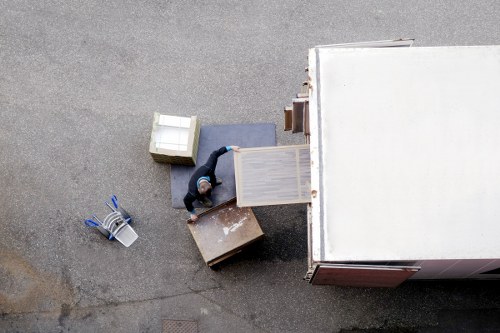
Every provider may work a little differently, but a good furniture collection service is usually built around convenience. The aim is to remove furniture safely and efficiently while leaving the property tidy and accessible. For customers, that means understanding what is included before booking and knowing what to expect on the day.
Typical services often include collection of one-off items or multiple pieces, carrying furniture from inside the property, loading from kerbside or forecourt access, and transporting items away for reuse, recycling, or disposal depending on condition and local arrangements. Some teams can also help with dismantling larger pieces such as wardrobes, bed frames, shelving, conference tables, and modular office furniture if that is needed to get the items out safely.
Many London customers also value a service that works around buildings with limited access. That could mean navigating communal hallways in apartment blocks, using service entrances, dealing with basement steps, or working in properties where lifts are small or unavailable. In commercial spaces, it may involve coordinating with reception, loading bay schedules, or building managers so that office furniture pick-up happens smoothly and with minimal interruption.
Common furniture items collected across London

Furniture collection jobs in London can vary a lot from one home or workplace to another. Some customers only need a single armchair removed. Others want several rooms cleared in one visit. The most common items tend to be the ones that are hard to move, awkward to store, or no longer needed after a refurbishment or move.
Common items include:
- Sofas, sofa beds, recliners, and armchairs
- Beds, mattresses, headboards, and bed frames
- Wardrobes, chests of drawers, and bedside cabinets
- Dining tables, chairs, sideboards, and display units
- Desks, office chairs, filing cabinets, and meeting tables
- Bookcases, shelving, TV units, and storage cupboards
- Patio furniture, garden benches, and outdoor seating
Some clients need collection after a move-out, while others are simply replacing old pieces with new ones. In rental properties, the furniture may be left by previous occupants and needs clearing before cleaning, decorating, or re-letting. In offices, the items may be part of a larger fit-out, refurbishment, or downsizing project. A local team can usually adapt to all of these situations without needing the customer to organise extra transport or lifting help.
How the service works

A furniture pick-up appointment should be straightforward from start to finish. The best services keep the process easy to understand so customers know what will happen and can prepare properly. While exact steps may vary, the general process is usually very similar.
First, you describe the items you want removed and the property type, including any access issues such as stairs, lifts, parking restrictions, or narrow entrances. This helps the team understand the likely amount of labour required. If the furniture is in different rooms, it is useful to mention that too, especially in larger properties or office buildings.
Next, you agree a convenient time window. For London customers, timing matters. It may need to fit around traffic, resident permits, business hours, school runs, concierge access, or building management rules. On arrival, the team assesses the items, confirms the job details, and then begins removal. Once everything is loaded, the furniture is taken away for the next appropriate step, which may involve reuse, donation routes where suitable, recycling, or disposal in line with the item’s condition and local requirements.
Why local knowledge matters in London
London is not one type of environment; it is a mix of apartments, terraces, estates, office towers, converted buildings, mews houses, student accommodation, and mixed-use developments. That variety makes local knowledge important. A furniture pick-up service that already understands the city is better placed to manage parking, access, and time pressure without causing unnecessary delays.
In central areas such as Westminster, Camden, Kensington, and the City, parking restrictions and loading opportunities can make or break a smooth collection. In inner boroughs like Hackney, Lambeth, Southwark, and Tower Hamlets, access can be affected by one-way systems, shared entrances, and busy streets. In outer areas such as Ealing, Hounslow, Croydon, Bromley, Barnet, and Wimbledon, properties may have driveways, larger homes, or long access paths that still require careful handling. A local team knows these differences and can plan accordingly.
Local experience also matters for customer confidence. When the crew understands how to move through London safely and efficiently, the process feels less stressful. There is less guesswork, fewer surprises, and a better chance that the collection will be handled with care from the moment the team arrives.
Residential furniture pick-up
Residential customers often need a service that is discreet, careful, and flexible. A house clearance in Richmond may involve larger furniture on multiple floors. A studio flat in Shoreditch may need space cleared quickly before new tenants move in. A family home in Wimbledon may be replacing several heavy pieces and needs help getting everything out without damaging walls, bannisters, or flooring. In these situations, professional lifting and careful movement make a real difference.
For homeowners and tenants, a furniture removal service can help before or after moving day, during decluttering, or when upgrading a room. It is also useful for people handling estate-related clearances, downsizing, or preparing a property for sale. The goal is not just to take items away, but to do it in a way that keeps the rest of the property protected and the day manageable.
Commercial furniture pick-up
Businesses across London often need furniture removed as part of office changes, shop refits, hospitality upgrades, or storage room clear-outs. Commercial collections may involve desks, chairs, cabinets, meeting tables, reception furniture, and retail fixtures. Timing can be crucial, especially if the collection needs to happen outside office hours or around a building’s access arrangements.
For facilities managers, landlords, and office administrators, using a local furniture pick-up team can reduce disruption and help keep projects on schedule. A proper commercial collection should be organised, punctual, and mindful of shared spaces, staff movement, and building rules. It should also be scalable, from one office chair to a full floor of furniture.
Preparation checklist before your collection
Preparing ahead of time can make your furniture pick-up quicker and easier. You do not need to do everything yourself, but a few simple steps can help the team work efficiently and reduce the chance of delays.
- Identify each item that needs removing and separate it from furniture you are keeping.
- Measure doorways, stair landings, or lift access if you are unsure whether larger pieces will fit.
- Clear small items from drawers, shelves, and table tops.
- Disconnect any lamps, monitors, or accessories attached to desks or cabinets.
- Check whether the building has parking rules, loading restrictions, or booking requirements.
- Let the team know in advance about any tight corners, basement steps, or communal entrances.
- If possible, place smaller pieces together so they can be loaded more efficiently.
Even if you cannot move items far, a little preparation helps. The team can often do the heavy lifting, but they work more safely and quickly when the route is clear and the job details are accurate. In London, where access can be limited and time windows matter, good preparation is especially useful.
Pricing factors to consider
Customers often want to know what affects the cost of furniture collection. Because every job is different, prices are usually based on a range of practical factors rather than a single fixed rule. Understanding these helps you compare options fairly and avoid surprises.
Common pricing factors include the number of items, size and weight of the furniture, whether items need dismantling, how easy they are to access, and how far they need to be carried from the property to the vehicle. The location within London can also matter if parking is limited or if there are time-sensitive access arrangements. A collection from a ground-floor property with direct access is likely to be simpler than a full flat clearance from the top floor of an old building with no lift.
Condition can also affect the handling of items. Well-kept furniture may be easier to sort for reuse routes, while damaged or heavily worn pieces may require different disposal steps. If you are arranging several rooms at once, a larger job may take longer and need more labour. The best way to get clarity is to request a tailored quote based on your items and location rather than assuming every job will be priced the same.
Why people choose a local company over doing it themselves
It can be tempting to try to remove furniture on your own, especially if the items seem manageable at first. But once you factor in lifting, transport, parking, and disposal arrangements, the job often becomes more complicated than expected. A local company saves you the effort of hiring a van, finding extra helpers, lifting bulky items, and dealing with the logistics of London travel.
There is also the question of safety. Sofas, wardrobes, and desks can be awkward to manoeuvre in tight spaces. Without the right technique, items can damage walls, stairs, or flooring, and the risk of personal injury goes up. A trained furniture pick-up team is used to moving large items carefully and efficiently, which is especially helpful in older buildings, mansion blocks, or properties with limited lift access.
Convenience is another major reason. A local service can handle the collection in one visit, allowing you to focus on moving, decorating, or running your business instead of spending hours trying to shift heavy furniture yourself.
Areas covered across London
Furniture pick-up services are useful throughout Greater London, from central neighbourhoods to outer boroughs. Customers often need collections in apartment blocks, family homes, offices, retail units, and mixed-use buildings across a wide area. Some of the places commonly served include:
- Central London areas such as Westminster, Covent Garden, Soho, Bloomsbury, and Holborn
- North London areas such as Camden, Islington, Haringey, Barnet, and Finchley
- East London areas such as Hackney, Bethnal Green, Stratford, Barking, and Tower Hamlets
- South London areas such as Lambeth, Brixton, Clapham, Croydon, and Wimbledon
- West London areas such as Kensington, Chelsea, Ealing, Hounslow, and Hammersmith
Customers in surrounding neighbourhoods and nearby boroughs often face the same practical issues: parking limits, building access, and the challenge of moving heavy items through shared spaces. A local team that regularly works across London is better prepared for those realities than a provider unfamiliar with the area.
What happens to the furniture after collection?
Many customers care about where their items go after they are collected, and rightly so. Furniture collection is not only about clearing space; it is also about dealing with items in a sensible and responsible way. The next step usually depends on the condition of the furniture and the possibilities available for reuse, recycling, or disposal.
If furniture is in good usable condition, it may be suitable for reuse routes. If it is worn out, damaged, or no longer safe to use, different handling may be needed. Larger items may be dismantled to separate materials where possible. This approach helps reduce waste and gives customers peace of mind that the items are being dealt with properly rather than simply being left behind.
For local residents and businesses, this matters because furniture removal is often part of a wider effort to clear space responsibly and keep properties ready for the next stage.
Frequently asked questions
Can you collect just one item?
Yes. Many customers only need one sofa, bed, or wardrobe removed. Single-item collection is common, especially when replacing furniture or clearing space quickly.
Do I need to move the furniture outside first?
Not usually. In many cases, the team can collect items from inside the property, provided access is clear and safe. If the item is already outside or in a loading area, that may make the job quicker.
What if the furniture needs dismantling?
Some larger pieces may need to be taken apart to get them out safely. If that is the case, mention it when booking so the team can prepare for the job properly.
Can you work around building restrictions?
Often, yes. Many London collections need to fit around access hours, concierge arrangements, parking rules, or loading bay schedules. Letting the team know these details in advance helps a great deal.
Do you handle both homes and offices?
Yes. Furniture pick-up in London is useful for residential and commercial customers alike, including landlords, tenants, office managers, retailers, and property professionals.
How do I get a quote?
Request a tailored quote by providing details of the items, the property type, and any access challenges. The more accurate the information, the easier it is to assess the job properly.
When to book your furniture collection
It is a good idea to book as soon as you know the items need removing. That is especially true if the collection is tied to a move, refurbishment, end of tenancy, or business deadline. London schedules can be busy, and access windows may be limited by building management or parking rules. Planning ahead helps make sure the service fits your timetable.
If you are not sure whether your items can be collected, it is still worth making an enquiry. A local team can often advise on access, preparation, and the likely approach based on the furniture type and property layout. That can save you time and help you make the right decision before the job is booked in.
Contact us today to discuss your furniture removal needs, request a free quote, and book your service now if you are ready to clear space without the hassle.
Why this service works well for London customers
At its best, furniture collection should feel like a practical solution rather than another task on an already busy list. That is especially true in London, where traffic, restricted parking, stairs, and compact properties can all make bulky item removal harder than expected. A local furniture pick-up service helps simplify the whole process by combining lifting, transport, and responsible handling into one organised visit.
For homeowners, landlords, tenants, and businesses, the main benefits are clear: less stress, less physical effort, and a faster way to get back to using the space. Whether you are clearing a single room or handling a larger project, choosing a team that knows London well can make a real difference to the experience.
Ready to arrange furniture pick-up in London? Get in touch to discuss your items, your location, and your preferred timing. A straightforward quote and a well-planned collection can make all the difference when you need space cleared quickly and safely.
Helpful final note for local customers
Before booking, take a moment to note the number of items, any stairs or lift access, and whether parking is available nearby. Those small details help the team plan properly and often make the collection smoother on the day.
Book with confidence
From compact flats and family homes to busy offices and commercial units, furniture removal in London is most effective when handled by people who understand the city’s practical challenges. If you are ready to move forward, request a free quote and arrange a collection that suits your property and schedule.