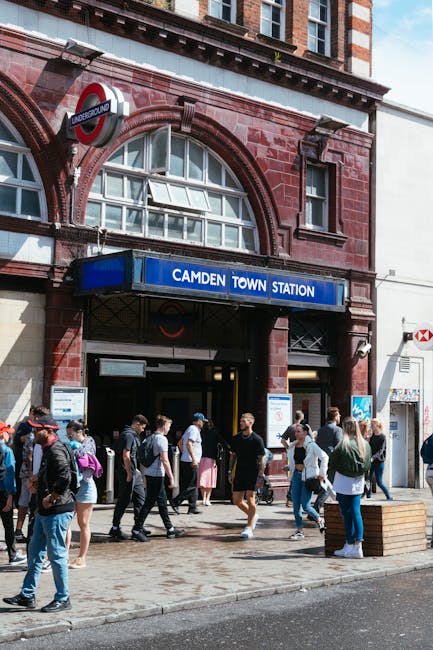
Camden Town removals to Kings Cross insider guide
If you are planning a move from Camden Town to Kings Cross, the distance may look tiny on a map, but the reality can be a bit more fiddly than that. Narrow streets, busy junctions, timed loading, awkward stairwells, and the usual London traffic chaos can turn a short move into a stressful one if you are not prepared. This Camden Town removals to Kings Cross insider guide is here to make the process feel manageable, whether you are moving a flat, a shared house, or a small office.
Truth be told, the best moves in this part of London are not the fastest ones. They are the best organised ones. You will save time, reduce damage risk, and avoid last-minute panic if you think about access, parking, packing, and the exact order of the day before the first box leaves the hall. If you want a more structured move, it can help to look at home moves, man and van, or full removal services depending on how much you need to shift.
This guide walks through the route, the practical realities, what usually causes problems, and how to make the whole thing much smoother. No fluff. Just the stuff that actually helps on moving day.
Table of Contents
- Why Camden Town removals to Kings Cross insider guide matters
- How Camden Town removals to Kings Cross insider guide works
- Key benefits and practical advantages
- Who this is for and when it makes sense
- Step-by-step guidance
- Expert tips for better results
- Common mistakes to avoid
- Tools, resources and recommendations
- Law, compliance, standards, or best practice
- Options, methods, or comparison table
- Case study or real-world example
- Practical checklist
- Conclusion
- Frequently Asked Questions
Why Camden Town removals to Kings Cross insider guide Matters
Camden Town and Kings Cross are close, but that is exactly why people underestimate the move. Short-distance removals in London often look simple on paper and then get complicated in the first five minutes. One road closure, one delivery truck blocking access, one flight of stairs that looked "fine" in the listing, and suddenly the schedule is slipping.
This route matters because it combines two busy inner-London areas with different building styles, different access patterns, and different levels of foot and vehicle traffic. Camden Town often means mixed residential and commercial streets, older flats, and tighter loading conditions. Kings Cross can mean modern apartment blocks, offices, converted warehouses, and managed buildings with strict move-in rules. That mix changes how you plan.
The insider part is simple: for a move like this, success comes from treating it like a logistics job rather than a local hop. A short move still needs a proper plan. You need to think about timing, lift access, keys, parking, and whether your furniture actually fits through the doorway. A surprising number of people forget that last one. It happens.
For many moves in this corridor, the right starting point is to choose a service that matches the volume and complexity of the job. A small, one-bedroom move may suit man with van support, while a fuller household move may need house removals or a more flexible removals van. The point is not to overbuy. It is to avoid underestimating the move and paying for it later in stress.
How Camden Town removals to Kings Cross insider guide Works
At a practical level, the move usually works in three stages: preparation, loading, and delivery. Simple enough. The tricky bit is how each stage behaves in London conditions. A removal team may arrive on time, but if the loading bay is occupied or the stair access is awkward, the actual move can slow down fast.
In Camden Town, it is common to have tighter roadside space and more unpredictable pedestrian activity. In Kings Cross, the challenge often shifts to building access, concierge procedures, lift booking, or limited unloading windows. If you are moving into a managed building, always confirm the rules before the van arrives. A five-minute check can prevent a fifty-minute delay.
Most local removals follow this basic flow:
- Survey the items and access needs.
- Choose the right vehicle and team size.
- Pack and label in the correct order.
- Protect floors, furniture, and fragile items.
- Load heavier items first and keep essentials accessible.
- Unload in the right room rather than creating one giant pile in the hallway.
If you are moving a business rather than a home, the same principles apply but the stakes are higher. A delay can disrupt clients, staff, and opening times. In those cases, office removals or commercial moves are often more appropriate than a standard house move.
One practical detail people forget: the route between Camden and Kings Cross can be more important than the distance. It is not about miles. It is about what the van can actually get through without awkward turns, restricted stopping, or endless waiting in traffic. That is the bit that makes or breaks a moving day.
Key Benefits and Practical Advantages
There are real advantages to planning this move well. Not glamorous ones, perhaps, but the sort that save your back, your time, and your patience.
- Shorter travel time: the move itself may only take a short drive, which helps keep labour time down.
- Lower disruption: if timed properly, you can often complete the move in one working block rather than stretching it into a whole day.
- Less packing waste: because the journey is short, you can focus on smart packing rather than overcomplicated transport planning.
- Better flexibility: a local move is easier to reschedule or split into stages if the building rules require it.
- Reduced risk of damage: shorter handling routes usually mean fewer chances for bumps, drops, and collisions with door frames.
There is also a psychological benefit. A move between Camden Town and Kings Cross can feel less daunting when you know the route, the likely access issues, and the packing order. Once that uncertainty drops, the whole thing becomes much easier to manage. You stop reacting and start directing.
If you need help with furniture or single-item transfers, a service such as furniture pick up can be a sensible middle ground. And if you are simply searching for a good local provider, removals near me is often the search people use when they are ready to move but not quite ready to commit to a full-scale package.
Who This Is For and When It Makes Sense
This kind of move makes sense for a wide range of people, but especially for those who want convenience without unnecessary complexity. If your move is small to medium-sized, or if you are relocating within a tight schedule, the Camden Town to Kings Cross route is the sort of job where a professional removals setup can really pay off.
It is a good fit for:
- students moving between rented rooms or shared flats
- professionals relocating for work near Kings Cross
- couples downsizing from a Camden flat
- small offices moving between nearby workspaces
- landlords or letting agents arranging same-day turnover support
- people with awkward furniture, narrow staircases, or little time to spare
If that sounds like you, you are probably looking for speed, reliability, and a bit of reassurance. Fair enough. Moving has a way of making even organised people feel mildly unhinged. One box missing and suddenly you are wondering where the kettle went.
For bigger domestic moves, house movers or house removalists may be more suitable. For lighter loads, a man and van removals option can be ideal, especially if you are trying to keep the process simple and economical.
Step-by-Step Guidance
Here is the straightforward version. This is the part you can actually use.
- Check the access at both addresses. Measure stairwells, note lift availability, and confirm whether parking or unloading space is available.
- Decide what kind of move this is. A single-room move, a full flat move, or an office relocation all need different levels of support.
- Book the right vehicle. If you are moving more than a few boxes and furniture pieces, a moving van may be more practical than trying to squeeze everything into a smaller setup.
- Purge before you pack. Be ruthless. That broken chair you have been "meaning to fix" is probably not worth the moving space.
- Label by room and priority. Keep essentials separate: documents, chargers, medication, keys, toiletries, and one set of clean clothes.
- Protect fragile items properly. Use padding, not just wishful thinking and a tea towel. It sounds obvious, but it saves headaches.
- Load in the right order. Heavy items first, fragile items last, and essentials where you can reach them quickly.
- Do a final sweep. Check cupboards, sockets, windows, and hidden corners behind doors. People leave things in the weirdest places.
If you are moving a business, build in more time for IT equipment, files, and staff coordination. office relocation services can help when the move needs to happen without wrecking the workday.
A useful habit: keep a "first night" bag with the things you will need before everything is unpacked. Toothbrush, phone charger, medication, snacks, one towel. Small details, but they matter. Especially when it is late and the box labelled "bathroom" contains three candles and a mop head.
Expert Tips for Better Results
After plenty of London moves, the pattern is always the same: the successful ones are the ones with fewer surprises. The goal is not perfection. It is fewer moving-day surprises.
Time your move with the street, not just the clock. Early mornings can be calmer in many parts of London, but check building access and local traffic patterns. In some places, 8am is ideal; in others, it is already a bit of a circus.
Keep the loading path clear. One coat stand in the hall can slow everything down when you are carrying a sofa. It sounds trivial. It is not.
Use the right packing supplies. Sturdy boxes, tape, mattress covers, and furniture blankets are worth it. If you are paying for a professional team, good packing makes their work more efficient too.
Ask about insurance and handling. A reputable mover should be able to explain how items are protected during transport. For peace of mind, it is worth reviewing insurance and safety before booking.
Confirm payment details early. Nobody wants a payment scramble while the van is waiting outside and the lift slot is ticking away. The practical side matters more than people admit. For that reason, checking payment and security ahead of time is sensible.
Leave a buffer. If the move is scheduled for midday, do not plan a packed afternoon full of other commitments. London likes to throw little delays at people. Best not to be rushing straight into another appointment.
And one more thing: if your gut says the move is a bit bigger than you first thought, trust that instinct. Underestimating volume is one of the most common reasons people end up stressed. It happens to the best of us.
Common Mistakes to Avoid
Some moving mistakes are predictable, but they still catch people out. Here are the big ones.
- Assuming the short distance means no planning. It still needs planning. Probably more than you think.
- Not checking parking or access. If the van cannot stop close enough, the move slows down immediately.
- Leaving packing until the night before. This almost always creates rushed decisions and broken items.
- Forgetting to measure furniture. Sofas and wardrobes have a talent for refusing to fit through awkward corners.
- Ignoring building rules. Some properties require booking lifts or giving notice for deliveries and removals.
- Mixing essentials with general boxes. You do not want to spend an hour looking for your toothbrush.
- Choosing a vehicle that is too small. Two trips might sound harmless. It usually means more time, more labour, and more hassle.
There is also the overconfidence trap. "It is only Camden to Kings Cross, we can do that ourselves." Sometimes yes. Sometimes no. If you have large furniture, stairs, tight access, or a strict timetable, a proper removal setup is usually the wiser call.
For smaller moves, a man with a van arrangement can be very efficient. For more complete handling, removal company support may suit better. The right choice depends on volume, time pressure, and how much lifting you want to avoid.
Tools, Resources and Recommendations
You do not need a giant toolkit to manage a good move. A few sensible items go a long way.
- Strong boxes: choose a mix of small and medium boxes so heavy items do not become impossible to lift.
- Packing tape and labels: basic, yes, but essential.
- Bubble wrap or paper wrap: use for glass, electronics, and corners that chip easily.
- Blankets or covers: useful for furniture protection and flooring.
- Trolley or sack truck: helpful for heavier boxes if access allows.
- Inventory list: a simple note on your phone is often enough.
For people who do not want to pack everything themselves, packing and unpacking services can save a lot of time and reduce the chance of damage. That can be especially useful if you are moving with children, on a deadline, or just plain exhausted already.
If you are comparing local providers, it helps to look at movers and removal services in practical terms: what do they include, how do they handle access, and do they match the scale of your move? That is the real question.
One small recommendation from experience: always keep a marker pen in your pocket or in the top box. You will need it at the most inconvenient time. Every single time.
Law, Compliance, Standards, or Best Practice
For a move like this, the legal and compliance side is usually straightforward, but it should not be ignored. In the UK, movers and customers both benefit from clear terms, sensible handling practices, and transparent expectations. You do not need to become a compliance expert, thankfully. But a few basics matter.
First, check that the mover is clear about pricing, liability, timing, and what is included. Good operators set out their terms in plain language. You can review terms and conditions before booking so there are no awkward surprises later.
Second, ask about damage protection and general safety procedures. Even a short move should involve careful lifting, safe vehicle loading, and proper securing of items. A decent operator will be able to explain how they approach this. If the team seems vague about safety, that is a warning sign.
Third, if you are disposing of unwanted items, use proper recycling or reuse channels where possible. Not everything needs to go to waste. The page on recycling and sustainability is worth reviewing if you are reducing clutter before the move.
Finally, if you are dealing with a shared building, remember that property managers often have their own move rules. Those are not laws in the strict sense, but they can still affect access, lift use, and delivery timing. Best practice is to confirm these things early. It saves everyone a headache.
Options, Methods, or Comparison Table
Different move sizes call for different approaches. Here is a simple comparison to help you decide what fits best.
| Option | Best for | Strengths | Trade-offs |
|---|---|---|---|
| Man with van | Small flat moves, a few bulky items, quick local transfers | Flexible, efficient, often cost-conscious | Less suited to larger households or complex packing needs |
| House removals | Full domestic moves with more furniture and boxes | More structured, better for volume, less strain on you | May be more than you need for very small moves |
| Office removals | Workplaces, studios, and commercial relocations | Better coordination, suited to equipment and documents | Needs careful planning around downtime |
| Full removal company | Moves needing broader support and coordination | Good all-round handling, more end-to-end support | Can be more service than a minimal move requires |
There is no perfect option for everyone. The best choice is the one that fits your volume, your access, and your tolerance for stress. To be fair, that last one is often the real deciding factor.
Case Study or Real-World Example
Imagine a one-bedroom flat in Camden Town moving into a managed apartment near Kings Cross. The owner has a sofa, a double bed, two bookcases, a desk, and around thirty boxes. Nothing outrageous, but enough to make a casual DIY move feel fiddly.
On the Camden side, the street is busy by mid-morning, and the closest parking spot is not directly outside the building. The mover arrives after a quick access check, and the team starts by loading the heaviest items first. Fragile kitchen boxes are kept separate, and the mattress is wrapped before it leaves the flat. Nothing dramatic so far.
At the Kings Cross end, the building has a booking system for the lift. That tiny detail matters a lot. Because it was confirmed in advance, the unloading process is smooth. The boxes go straight to the correct rooms, the furniture is assembled in the right place, and the whole move is done without anyone standing in the corridor wondering where to put the lamp.
Now imagine the same move without the prep. No lift booking, a vehicle too small for the sofa, essential items packed at the bottom of the last box, and a missing parking plan. You can see how quickly a "simple" move stops being simple. That is the difference the insider approach makes.
Practical Checklist
Use this checklist the week before your move, then again on the morning itself.
- Confirm moving date and time with everyone involved
- Check parking, access, lift bookings, and building rules
- Measure large furniture and doorways
- Sort items into keep, donate, recycle, and discard
- Pack a first-night bag with essentials
- Label boxes clearly by room and priority
- Protect fragile items and clean upholstery or surfaces if needed
- Keep keys, documents, and chargers separate
- Take photos of valuable items before the move
- Walk through both properties before leaving
- Check final meter readings if relevant
- Keep water and snacks nearby; moving is weirdly tiring
If you are still narrowing things down, it can help to compare removal companies and removal van options against your actual needs rather than what sounds impressive. A sensible fit beats an oversized plan every time.
Conclusion
A move from Camden Town to Kings Cross may be short, but short does not mean simple. The difference between a smooth day and a stressful one usually comes down to preparation, access, and picking the right type of help. If you think carefully about timing, packing, parking, and building rules, the move becomes much more manageable.
For some people, a compact service is enough. For others, especially with larger furniture or tighter schedules, a fuller removal setup is the smarter choice. Either way, the goal is the same: get everything across safely, quickly, and without unnecessary drama. Nice and steady usually wins.
Get a free quote today and see how much you can save.
And once the last box is in place, give yourself a moment. A kettle, a chair, a bit of daylight through a new window. That first quiet minute after a move is always better than it looks on the checklist.
Frequently Asked Questions
How long does a Camden Town to Kings Cross removal usually take?
It depends on how much you are moving, access at both properties, and whether the building has lift or parking restrictions. A very small move can be relatively quick, while a full flat or office move may take most of the day.
Is it worth hiring a man and van for this route?
For lighter loads, a man and van can be a very practical choice. If you have a few bulky items or a one-bedroom flat, it often gives a good balance of flexibility and value.
What is the biggest problem with moving between Camden Town and Kings Cross?
Access is usually the biggest issue, not distance. Parking, loading restrictions, narrow stairwells, and building rules can slow everything down if they are not checked in advance.
Should I pack everything myself before moving day?
As a rule, yes for most belongings, but you do not always need to do everything alone. If time is tight or you have fragile items, packing and unpacking services can reduce stress and help protect your items.
What kind of vehicle do I need for a small flat move?
That depends on the volume of furniture and boxes. For a small move, a moving van may be enough. If the load is awkward or larger than it looks, it is safer to choose a slightly bigger setup than to risk multiple trips.
Do office moves between Camden Town and Kings Cross need special planning?
Yes, because office moves usually involve equipment, documents, and downtime. If you are moving a workspace, use office relocation services or similar support so the move is organised around business needs.
How can I reduce damage during the move?
Use sturdy boxes, proper padding, furniture covers, and clear labelling. Also, avoid overfilling boxes and make sure heavy items are secured in the vehicle. Good handling matters as much as packing.
What should I check with my building before moving?
Ask about lift booking, moving hours, parking rules, loading access, and any required notice. Managed buildings in and around Kings Cross can be quite specific about these details.
Can I get rid of unwanted furniture before the move?
Yes, and it is often a smart thing to do. If items are still usable, consider reuse or collection options. If you want to clear a few pieces, furniture pick up can be a useful step before moving day.
How do I choose between a removal company and a smaller van service?
Choose based on volume, access, and how much support you want. A smaller service works well for modest loads, while a more complete setup is better for larger homes, difficult access, or time-sensitive moves.
What should I keep with me on moving day?
Keep keys, ID, phone chargers, medications, wallet, documents, and a first-night bag with the basics. It sounds simple, but it saves a lot of frustration once the boxes start stacking up.
Where can I check safety, insurance, and payment details before booking?
It is sensible to review insurance and safety and payment and security before confirming anything. That way you know what to expect and can book with more confidence.